
Mendoza’s Moment of Joy: World Happiness Fest 2025 Concludes in a “City of Happiness”
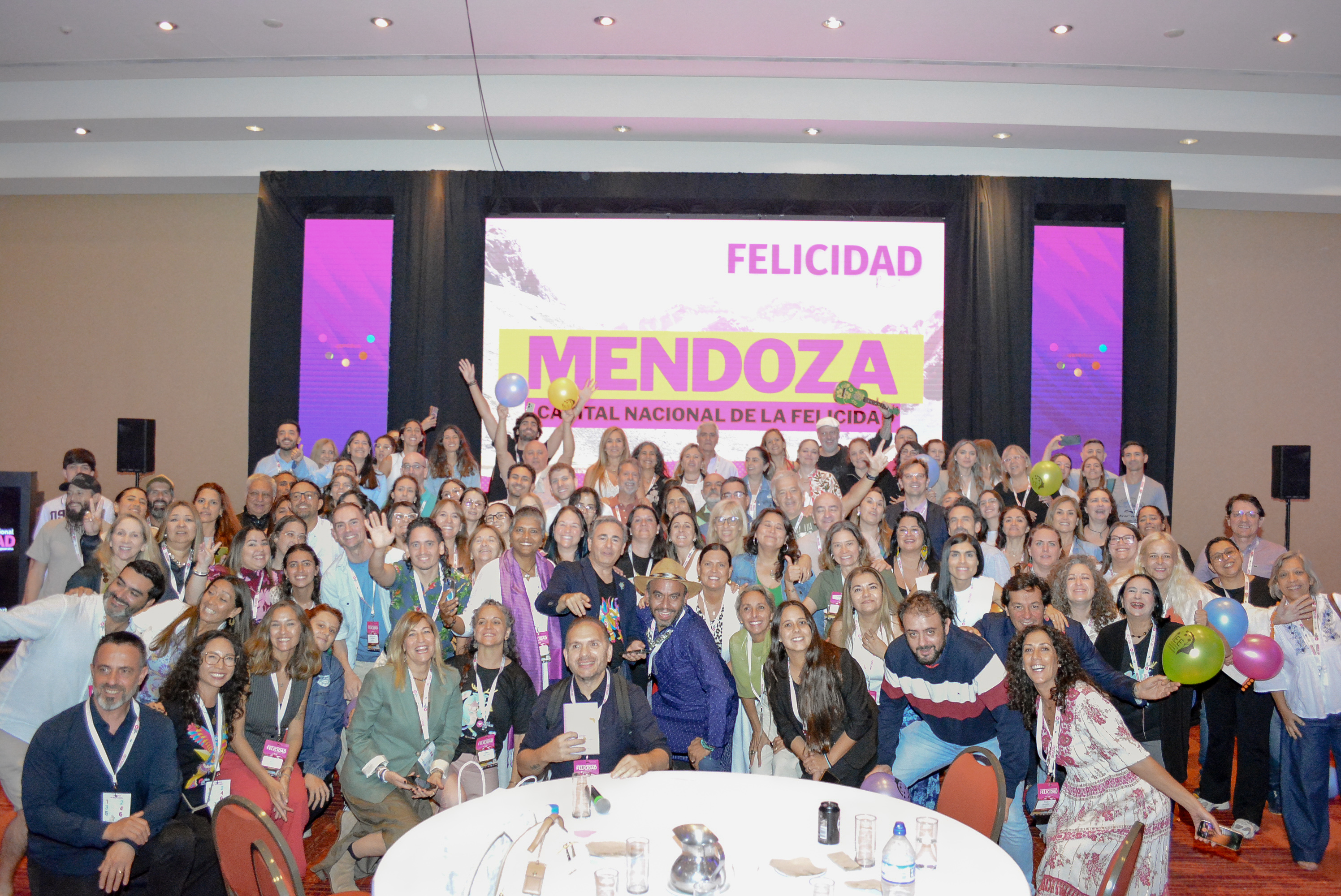
World Happiness Fest Mendoza
World Happiness Fest Logo
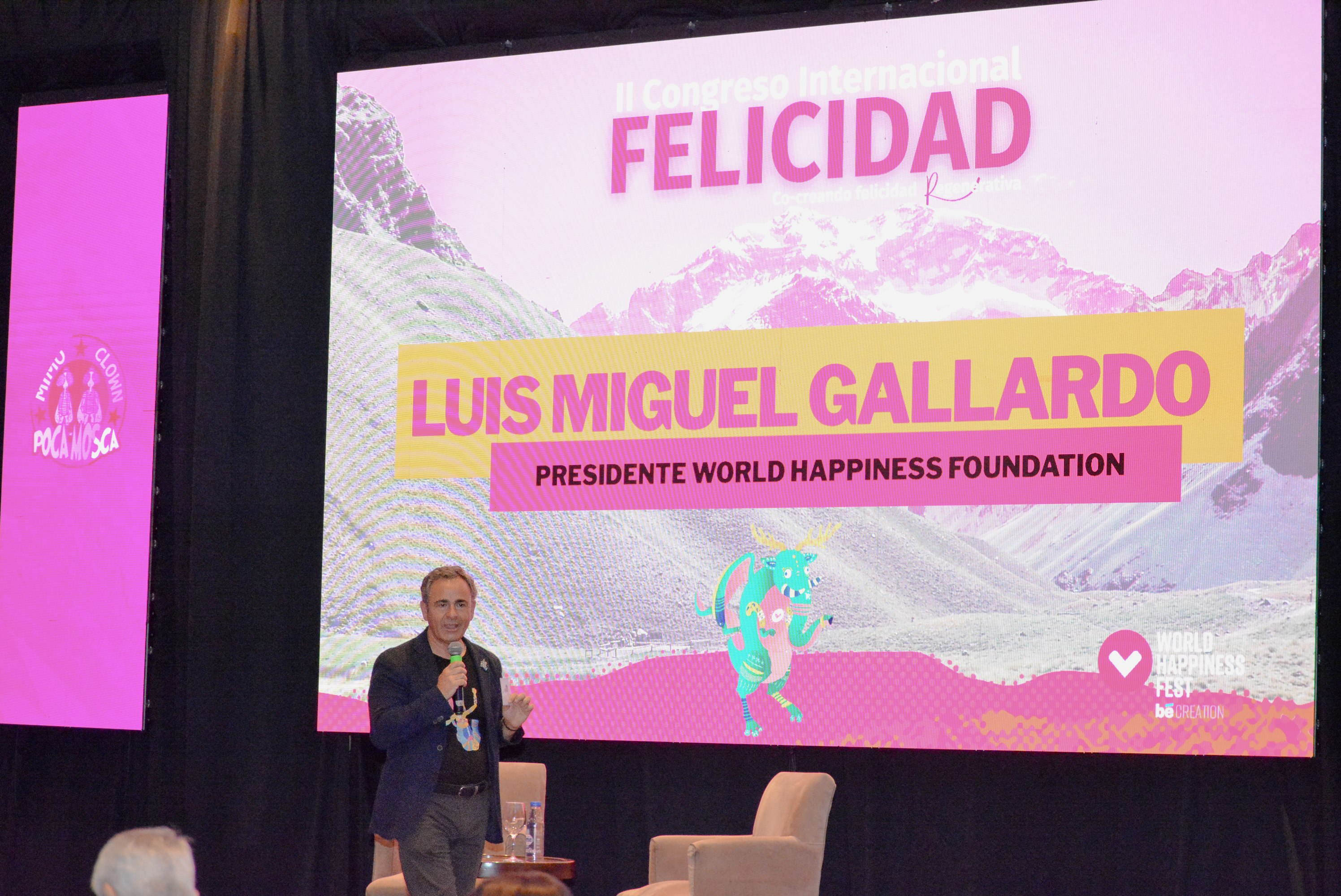
Luis Miguel Gallardo World Happiness Fest
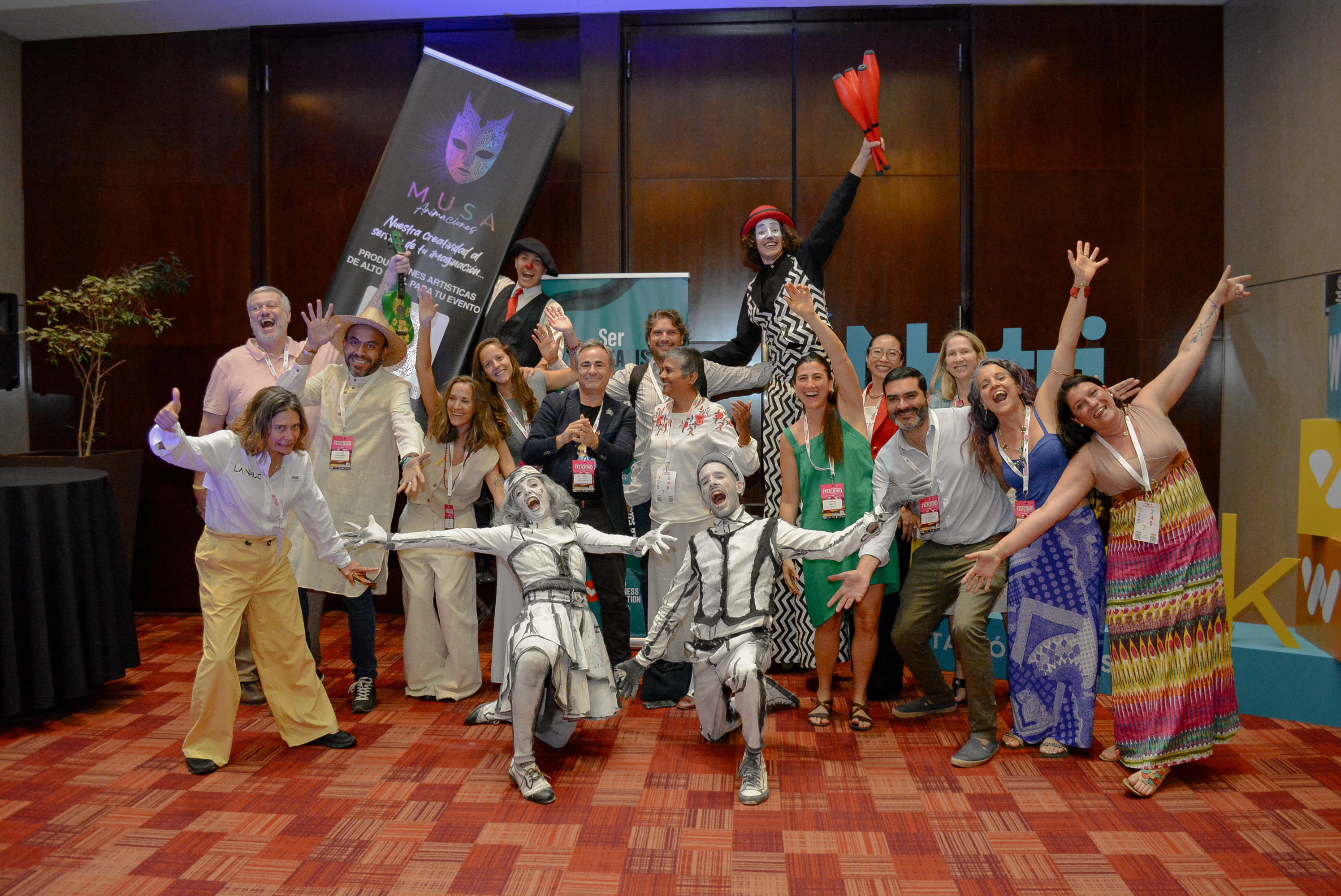
World Happiness Fest Payasos
From Kolkata to the Andes: A Global Journey of “Regenerative Happiness”
Regenerative Happiness: a practical path to achieving peace, rooted in the well-being of individuals and the planet.”
MIAMI, FL, UNITED STATES, December 14, 2025 /EINPresswire.com/ -- Mendoza, Argentina – In the foothills of the Andes, thousands of people from across the globe gathered to celebrate “Regenerative Happiness” as the World Happiness Fest 2025 reached its grand finale in Mendoza. Over three inspiring days (December 4–6, 2025), this city – long lauded for its high quality of life – became Argentina’s third designated “City of Happiness” in a year-long international wellbeing tour that began in Kolkata, India. Global thought leaders, local changemakers, and everyday citizens came together in Mendoza’s parks, hotels, and cultural centers to co-create visions of a healthier, kinder future.— Luis Miguel Gallardo
From Kolkata to the Andes: A Global Journey of “Regenerative Happiness”
The Mendoza fest marked the final chapter of the World Happiness Foundation’s 2025 series – a worldwide celebration of wellbeing that kicked off in February in Kolkata and spanned every continent. Earlier editions in Buenos Aires and Córdoba had already turned those cities into vibrant “laboratories of joy,” highlighting what happens “when leadership, community, art, education, and enterprise align around well-being”. Each stop built momentum for the next: Buenos Aires lit the spark, Córdoba carried it forward, and Mendoza – famed for its wine and natural beauty – “became the world epicenter of happiness” as the movement’s culmination. The unifying theme throughout 2025 was “Regenerative Happiness,” described as a “practical path to achieving peace, rooted in the well-being of individuals and the planet”. In practical terms, this meant looking at happiness not as a fleeting emotion but as a renewable resource – something that can heal communities and ecosystems by renewing how we live and work together.
Organizers say more than 20 Happiness Fest events took place this year in 80+ cities worldwide, blending digital forums with on-the-ground summits. That polycentric approach was evident in Mendoza: the festival (billed locally as the II Congreso Internacional de Felicidad) attracted participants from all corners of the Earth. Leaders from Spain, Mexico, Chile, the United States, the Dominican Republic and beyond joined Argentine officials, entrepreneurs, educators and activists to share ideas on building a happier society. Luis Miguel Gallardo, the Founder and President of the World Happiness Foundation, has been the visionary behind this global movement. Throughout the journey he emphasized that the mission is to make happiness, consciousness, and freedom “universal human rights, not privileges”. Under Gallardo’s inspirational leadership, the Fest has grown into what he calls a “practical revolution of wellbeing” – one that invites everyone to participate.
Mendoza Embraces the Happiness Revolution
Mendoza’s role as the finale host was no coincidence. Recently, a national study crowned Mendoza as the most favorable capital city to live in Argentina, thanks to its residents’ high satisfaction and quality of life. In the words of Luis Miguel Gallardo, “Mendoza represents one of the Latin American cities that has advanced the most in building well-being for its people.” Local authorities threw their full support behind the event: Mendoza’s mayor joined Gallardo and other World Happiness Foundation leaders to kick off the Fest with an energetic welcome toast, hoisting glasses of the city’s famed Malbec wine in an “authentic celebration… in an exceptional setting”. With the snow-capped Andes as a backdrop, Mendoza’s reputation as an International Wine Capital and outdoor paradise provided an uplifting atmosphere for serious conversations about happiness. “The city is becoming a happiness hub once again,” organizers proclaimed – a nod to Mendoza’s growing legacy in this movement (the province also hosted a similar congress last year).
Throughout the Fest, Mendoza’s tree-lined streets and plazas buzzed with activity. Mornings began with open-air meditation sessions – locals and visitors alike centering themselves in mindfulness practices to “vibrate higher, live happier”. At one outdoor gathering, participants formed a giant círculo de felicidad (happiness circle), reflecting the Andean tradition of community unity and setting a joyful tone for the day. “We’re not just talking about happiness – we’re here to be happiness together” one young attendee remarked, echoing the festival’s ethos of experiential learning. That spirit carried into panel discussions at the Sheraton Mendoza and hands-on “JoyShops” across town. By showcasing its warmth, hospitality, and progressive mindset, Mendoza firmly staked its claim as a true Capital of Happiness in the region – a living model of how a city can prioritize wellbeing in policy and culture.
Workshops, Keynotes and a Purpose-Driven Agenda
Inside the congress halls, the World Happiness Fest offered a rich tapestry of ideas. The agenda featured over 50 international speakers and facilitators, with content delivered in both Spanish and English. From government ministers to neuroscientists, Zen teachers to business innovators, each brought a unique lens on what it means to flourish. Key themes – emotional intelligence, holistic well-being, social governance, and purpose-driven living – echoed throughout the sessions, aligning with the festival’s “Regenerative” focus on renewal and growth. In one keynote, Gallardo himself sketched the “present and future of global well-being”, outlining how the World Happiness Foundation envisions happier societies worldwide. Another talk delved into the science of longevity, drawing lessons from “Blue Zones” – those regions famed for centenarians – as a roadmap to more fulfilling lives. Meanwhile, a forward-thinking panel examined “From Governance to Happiness: the future of cities,” exploring how urban policy can be retooled to put citizens’ well-being at the center. On that same stage, experts introduced an international certification in happiness, holistic health, and social governance for organizations, underlining a commitment to weaving well-being into corporate and civic structures.
Purpose emerged as a powerful through-line. One popular session – titled “Propositología: The 6 Elements of Life Purpose” – unpacked practical strategies for individuals to discover meaning and direction in their lives. Simultaneously, workshop rooms buzzed with activities to help attendees live their purpose: from a creative “Leading with Purpose” leadership lab, to intimate groups where participants clarified their personal mission statements. “It’s about aligning what you do with who you are,” explained one facilitator, stressing that purpose-driven living fuels both personal joy and social impact.
A speaker at the World Happiness Fest in Argentina energizes the audience with an interactive exercise, underscoring the importance of emotional intelligence in daily life. Emotional intelligence itself was a star of the Fest: psychologists guided people to “discover the power of emotional intelligence and body awareness” in experiential workshops, and Paulina Nava of Mexico’s Emotional Intelligence Institute led a moving session on deep reconnection with oneself. Attendees practiced active listening in an “Escuchatoria” exercise – literally a “listening party” – to hone empathy as a communication tool. Across the hall, well-being innovators from the corporate world shared how to bring happiness into the workplace. For example, Chirles de Oliveira of Brazil (founder of Virada da Felicidade) described her mission to create work environments “where productivity and humanity coexist” – places where happiness is treated “not as a luxury, but as a daily practice and a right”. Her talk integrated insights from positive psychology, Bhutan’s Gross National Happiness framework, and new “economies of transition,” inspiring local business leaders to rethink employee wellness.
The festival’s inclusivity shone through its diverse voices and stories. A standout moment came when María Isabel Santos – widow of the notorious Pablo Escobar – took the stage to share her personal journey. In a conversation around her memoir “Mi vida y mi cárcel con Pablo Escobar” (“My Life and My Prison with Pablo Escobar”), Santos opened up about transforming trauma into purpose and forgiveness. Her presence symbolized the festival’s willingness to tackle difficult paths to happiness, emphasizing resilience and growth even in the darkest circumstances. “Between the improbable and the impossible, there is life,” noted one speaker, borrowing the title of another talk – a reminder that hope can survive the toughest odds. Other sessions highlighted education and youth: Argentine teachers demonstrated new models of “positive education” for schools, while young activists discussed making Mondays as joyful as Fridays (“Thank God It’s Monday – changing the work paradigm” was a provocatively titled panel). Whether the topic was mindful technology design or inclusive community building, the message was clear: happiness thrives when nurtured in every sector of society – at work, in schools, in city halls, and at home.
Collaboration, Innovation and Joy in the “City of Happiness”
If one word could summarize Mendoza’s World Happiness Fest, it was “collaboration.” The event fostered an atmosphere where CEOs and psychologists, monks and government officials, students and grandparents all exchanged ideas as peers. Hallway chats led to cross-cultural friendships and even budding partnerships for new well-being projects. “Attendees left not just with business cards, but with new partners and the resolve to keep building this ecosystem of well-being locally,” noted one report on the Congress’s impact. Indeed, by the closing day, Mendoza felt less like a conference venue and more like the birthplace of a movement. Participants formed working groups to carry forward initiatives – from launching happiness curricula in schools, to creating “conscious public policy” coalitions in local government. Gallardo praised this grassroots energy, seeing it as proof that “happiness stops being a slogan and becomes a shared way of being in the world” when communities unite.
Organizers and participants share a celebratory moment at the Happiness Congress, symbolizing the collective spirit that defined the Fest. The finale on December 6 was as uplifting as it was emotional. In a vibrant “closing circle” ceremony, attendees gathered to express gratitude and set intentions for the future. An artistic flourish punctuated the end of the Fest: local musicians and dancers performed a piece entitled “Sustainable Happiness in Times of Exhaustion,” accompanied by a guided experience on “hacking the brain with gratitude” led by psychologist Andrés Cabezas. Laughter blended with tears of joy as the crowd celebrated what they had co-created. For many, the real finale was not an end at all – it was the beginning of a new chapter. “This isn’t over. We’re taking this energy back to our neighborhoods, our companies, our families,” said one community leader from Mendoza, holding up the certificate of partnership the city received. Mendoza’s mayor, in turn, pledged continued support for wellbeing initiatives, solidifying the city’s legacy as a beacon of happiness-driven development in Argentina.
As the sun set over the Andes, the World Happiness Fest’s global tour officially came to a close. But the consensus among participants was that the “happiness revolution” is only just gaining steam. Each city in the 2025 series has seeded new ideas and hope for the next. “Regenerative Happiness grows stronger as it moves forward. Each city builds on the last, learning, adapting and inspiring the next,” Gallardo reflected, highlighting Argentina’s emergence as a regional leader in this arena. The spirit of Mendoza’s Fest – joyful, innovative, and deeply collaborative – now ripples outward worldwide. In the Fest’s aftermath, organizers invited everyone, everywhere to join the movement, reinforcing that happiness and well-being are global endeavors that transcend borders. With its blend of inspiration and action, the World Happiness Fest in Mendoza has shown that a better future can be co-created when people come together with a shared purpose: to make happiness not just a personal pursuit, but a collective way of life.
https://www.worldhappinessfest.com
#WorldHappinessFest #RegenerativeHappiness #Mendoza2025 #CityOfHappiness #GlobalWellbeing #LuisGallardo #HappinessMovement #EmotionalIntelligence #PurposeDrivenLife #WellbeingForAll #PositivePsychology #HappinessLeadership #SocialGovernance #MindfulCities #HappinessIsAHumanRight #GlobalHappiness #CoCreatingHappiness #HappinessInnovation #JoyfulCommunities #MentalHealthMatters #ConsciousLiving #HappinessEducation #BlueZones #PublicPolicyForHappiness #HappinessEconomy #LatAmHappiness #InnerPeace #WellbeingEcosystem #FestivalOfHappiness #HappinessAsPolicy
Paul Hamilton
World Happiness Foundation
+1 347-606-5317
email us here
Legal Disclaimer:
EIN Presswire provides this news content "as is" without warranty of any kind. We do not accept any responsibility or liability for the accuracy, content, images, videos, licenses, completeness, legality, or reliability of the information contained in this article. If you have any complaints or copyright issues related to this article, kindly contact the author above.
