

Satoyama Mace Initiative Carbon Credits Recognized and Listed on ACX
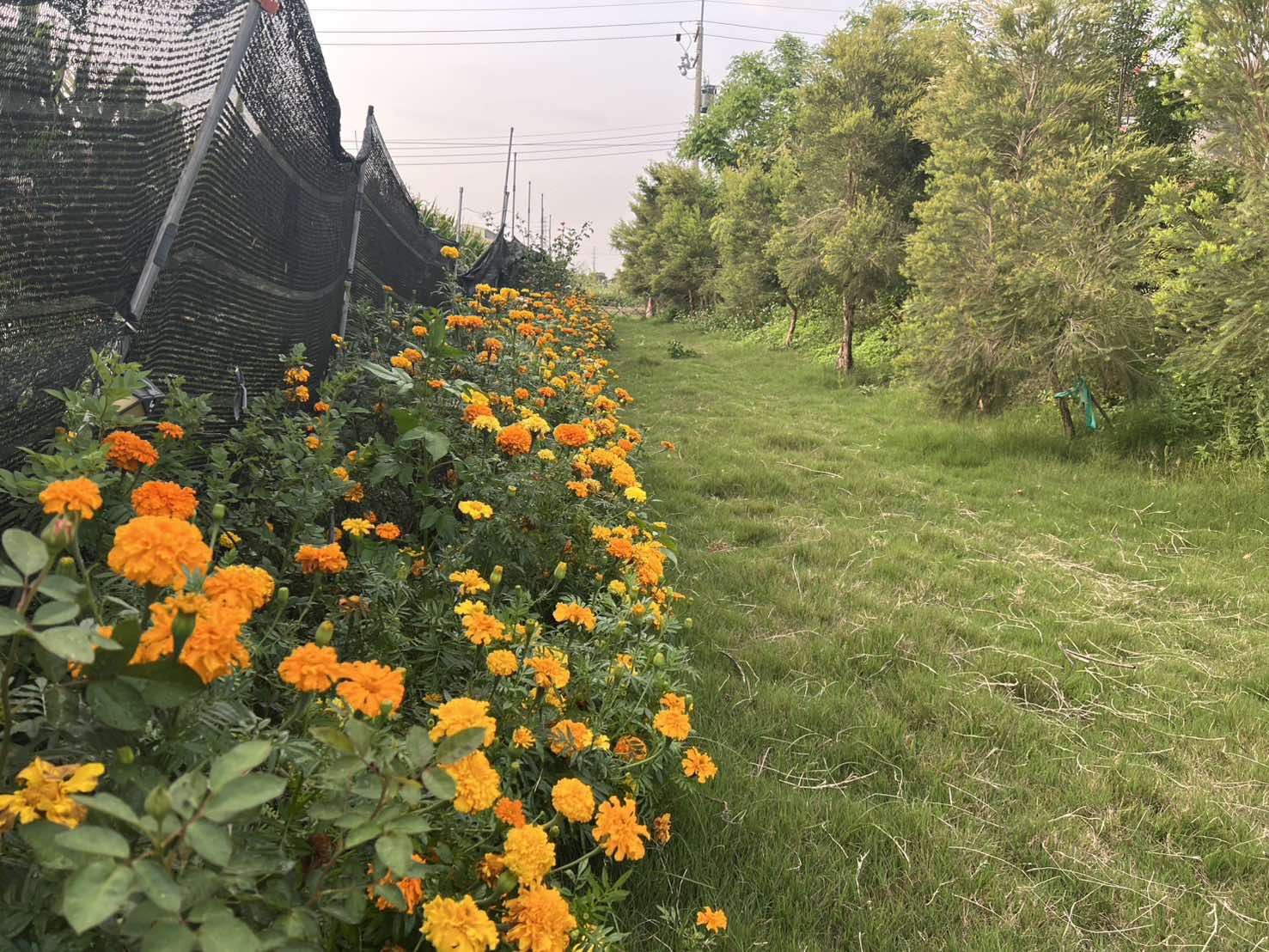
Marigold farming in socio-ecological landscapes supports both livelihoods and carbon sequestration."
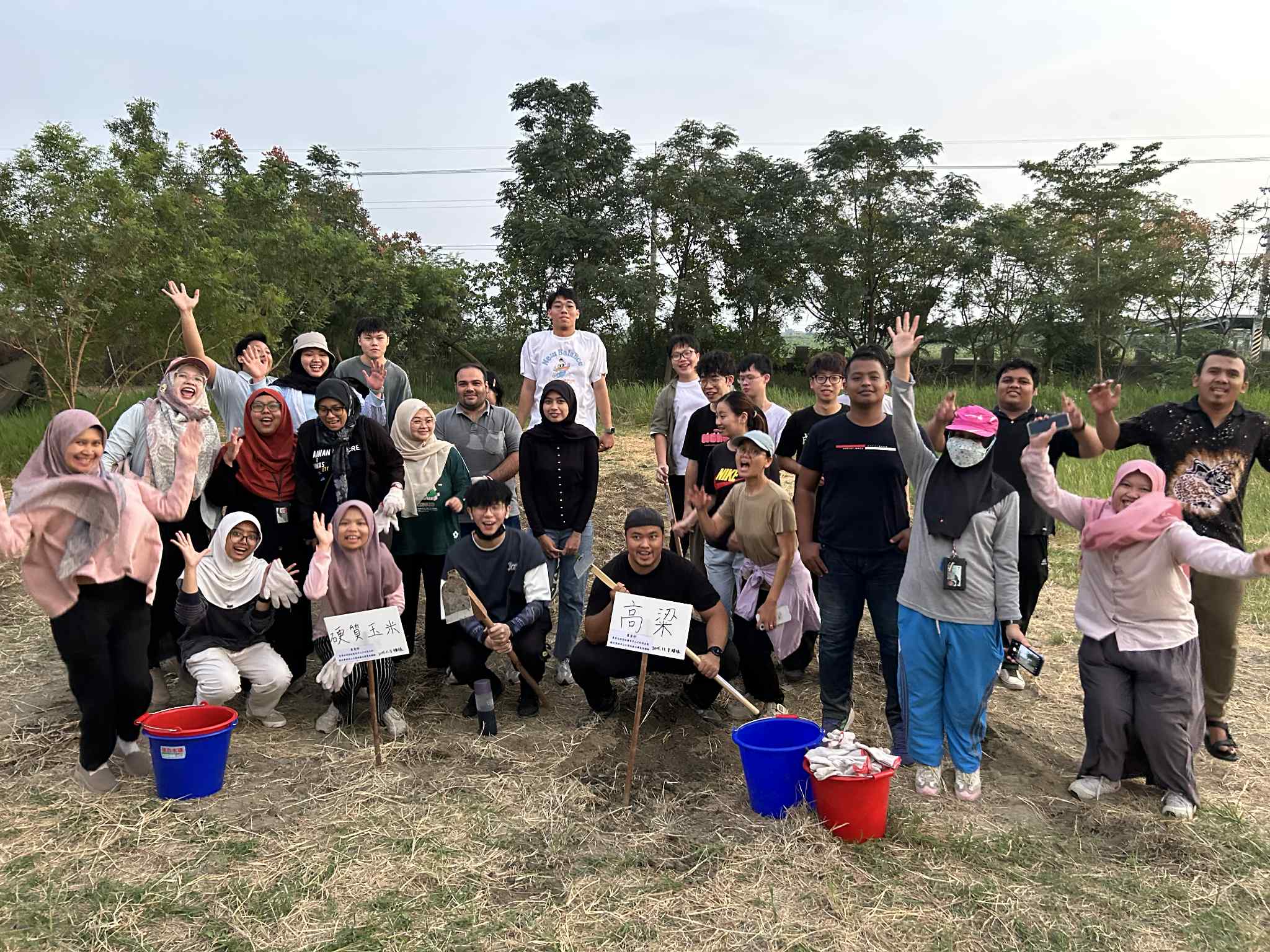
Indigenous Peoples Cultivating High-Carbon Sequestration Crops Witness the Universal Values of Climate Justice and Their Crucial Contribution.
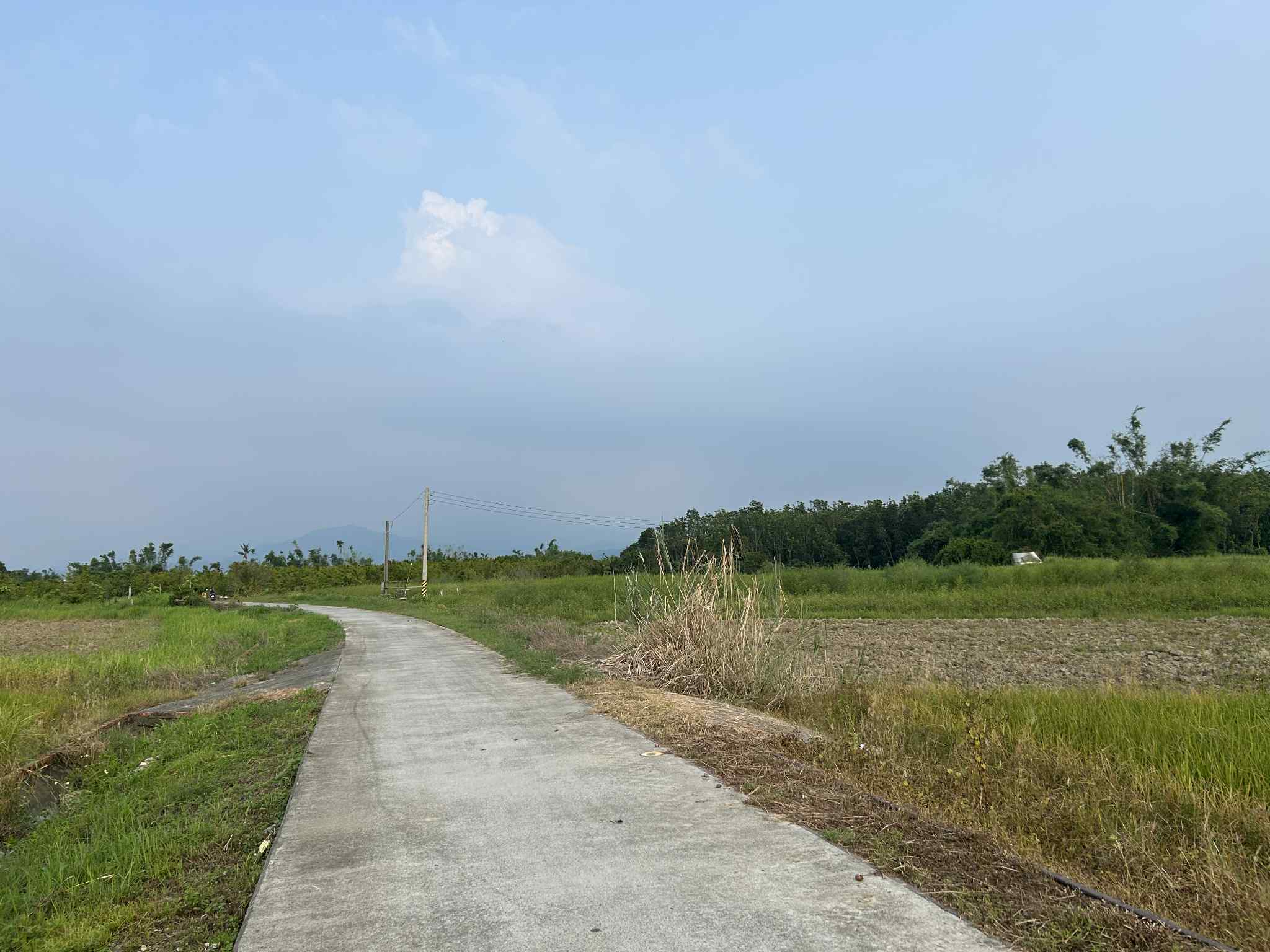
Indigenous and local farmers in Asia, Africa, and Latin America benefit from biodiversity-based carbon credits through the Satoyama Mace Initiative.
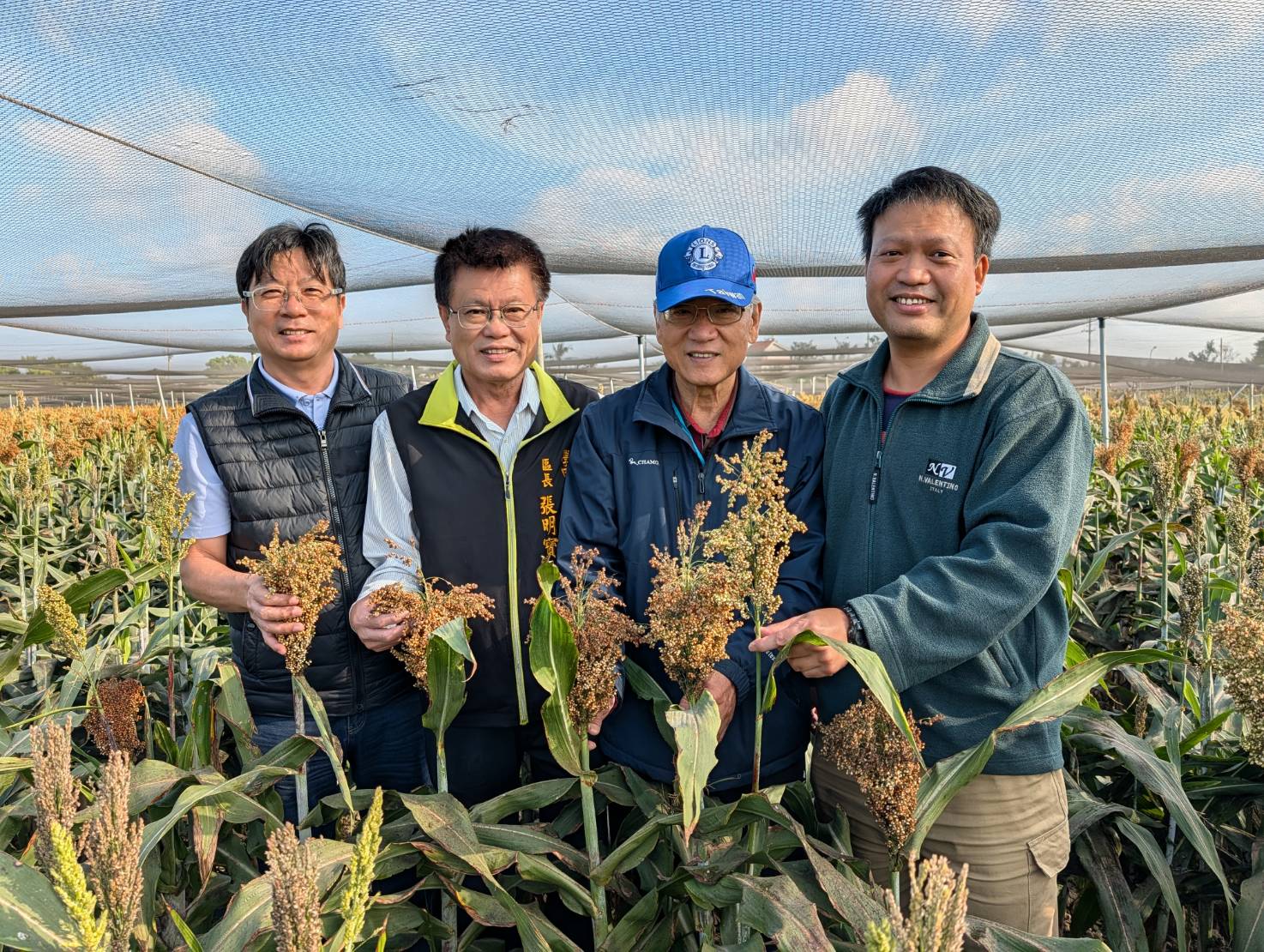
This year’s sorghum crop in Syuejia shows a strong, healthy harvest, highlighting the success of climate-adaptive farming practices.

Fostering balance between humans and nature through AI-assisted Satoyama Initiative climate solutions.
Integrating biodiversity, SEPLS landscapes, and system-of-systems MRV, the Satoyama Mace Initiative delivers ACX-listed carbon credits for global markets.
TAIWAN, December 23, 2025 /EINPresswire.com/ -- As global climate governance enters a decisive decade under the Paris Agreement and the Kunming–Montreal Global Biodiversity Framework, the Satoyama Mace Initiative (SMI) has emerged as a pioneering international model that integrates biodiversity conservation, socio-ecological production landscapes and seascapes (SEPLS), and high-integrity carbon markets.
The Initiative marks a significant milestone as carbon credits generated under the Satoyama Mace Initiative are recognised, listed, and made tradable on ACX (AirCarbon Exchange) — positioning them as international environmental sustainability-grade carbon credits and enabling direct participation in the global voluntary carbon market. This development represents a major step forward in aligning landscape-based climate mitigation with market-based climate finance, while safeguarding ecological integrity, social equity, and long-term regional revitalisation.
A Methodological Innovation Rooted in SEPLS
The Satoyama Mace Initiative is an UNU-IAS/IPSI-endorsed collaborative activity under the International Partnership for the Satoyama Initiative, designed to address the long-standing disconnect between carbon accounting systems and real-world socio-ecological landscapes. Unlike conventional single-sector or monoculture-based carbon projects, the Initiative adopts a SEPLS-based methodological framework, recognising that productive landscapes — including agroforestry systems, mosaic farmlands, wetlands, coastal ecosystems, and traditional rural land-use systems — are complex, dynamic, and biodiversity-rich.
The methodological core of the Satoyama Mace Initiative emphasises:
1. Landscape-scale carbon dynamics, rather than isolated plots
2. Integration of biodiversity and ecosystem services into carbon accounting
3. Compatibility with international climate and biodiversity frameworks
4. Equitable benefit-sharing with local and Indigenous communities
By embedding carbon sequestration and emissions reduction within living socio-ecological systems, the Initiative moves beyond carbon as a purely technical metric and reframes it as a driver of sustainable regional development.
A System-of-Systems MRV Architecture
At the heart of the Initiative is a System-of-Systems MRV framework, purpose-built to address the complexity of GHG fluxes and carbon cycles in biodiversity-rich ecosystems. Rather than relying on a single monitoring tool or dataset, the Satoyama Mace Initiative integrates multiple technological and analytical systems into a cohesive MRV platform, ensuring accuracy, scalability, and credibility. This integrated MRV framework includes:
1. Remote Sensing and Earth Observation
Satellite-based observations, including optical, microwave, and spectral data, are used to monitor vegetation dynamics, land-use change, soil moisture, biomass, and ecosystem productivity across large spatial scales.
2. Field-Based Measurement and Ground Truthing
On-site ecological surveys and carbon sampling provide validation for remote sensing data, ensuring that local ecological realities are accurately reflected in carbon accounting models.
3. Simulation and Carbon Cycle Modelling
Physics-based and ecosystem-based models simulate carbon fluxes across land, water, and vegetation systems, capturing both sequestration and emissions pathways.
4. AI and Machine Learning Integration
Advanced machine learning models synthesise multi-source data streams, improving estimation accuracy, uncertainty reduction, and long-term trend analysis.
5. Reporting, Validation, and Verification Systems
All data flows are structured to meet international MRV requirements, ensuring transparency, traceability, and readiness for third-party validation and market participation.
This System-of-Systems approach enables the Initiative to deliver robust, defensible MRV outcomes, suitable for both policy applications and international carbon markets. Currently, the Satoyama Mace Initiative is implementing large-scale landscape trials across approximately 4,200 hectares of SEPLS in Asia, encompassing agricultural landscapes, coastal systems, and rural production mosaics. These demonstration areas serve multiple purposes:
1. Validating MRV methodologies under real-world ecological conditions
2. Testing biodiversity-integrated carbon accounting models
3. Demonstrating community-based governance and benefit-sharing mechanisms
4. Creating replicable templates for expansion across Asia-Pacific and beyond
By operating at landscape scale rather than pilot micro-sites, the Initiative demonstrates that high-integrity carbon credits can be generated without sacrificing biodiversity or local livelihoods.
ACX Recognition: Enabling International Market Access
A defining achievement of the Satoyama Mace Initiative is that carbon credits generated under its methodologies have been recognised by ACX (AirCarbon Exchange) and are eligible for listing, trading, and sale on the ACX platform. ACX is a globally recognised digital carbon exchange that enables transparent, secure, and efficient trading of carbon and environmental instruments across international markets. Recognition by ACX signals that Satoyama Mace Initiative carbon credits meet market expectations for environmental integrity, MRV robustness, and traceability.
This recognition enables International buyers to access SEPLS-based carbon credits, Corporate and institutional climate strategies to incorporate biodiversity-positive offsets, Direct monetisation of sustainable landscape management, Increased liquidity and price discovery for nature-based credits. Importantly, the listing of Satoyama Mace Initiative credits on ACX transforms SEPLS carbon outcomes from locally bound environmental actions into internationally tradable sustainability assets. These credits are positioned not merely as carbon offsets, but as international environmental sustainability carbon credits, reflecting climate mitigation, biodiversity conservation, and socio-economic co-benefits.
The Initiative directly supports and operationalises multiple global frameworks, including The Paris Agreement (mitigation and transparency mechanisms), The Kunming–Montreal Global Biodiversity Framework, particularly targets related to ecosystem restoration and sustainable use, The Sustainable Development Goals (SDGs), including climate action, life on land, and sustainable communities, and By integrating MRV, biodiversity, and market mechanisms, the Satoyama Mace Initiative provides a practical bridge between policy ambition and on-the-ground implementation.
International Conference: Building Global Momentum
To further advance knowledge exchange and international collaboration, the Initiative will host the:
International Conference on Carbon Credits and SEPLS for Combating Climate Change
(https://ipsi.mse.ncku.edu.tw/international-conference2026)
Dates: 8–9 April 2026
Venue: National Cheng Kung University (NCKU), Tainan, Taiwan
The conference will convene researchers, policymakers, carbon market practitioners, Indigenous and local community representatives, and international organisations to explore:
1. Carbon credit methodologies for SEPLS
2. MRV innovation and system-of-systems approaches
3. Governance and institutional design for equitable carbon markets
4. Biodiversity-integrated climate finance models
5. Scaling pathways for regional and global implementation
The event is expected to produce policy recommendations, technical insights, and collaborative networks that further strengthen the role of SEPLS in global climate solutions.
Toward a New Generation of Carbon Credits
The Satoyama Mace Initiative represents a new generation of carbon credit systems, where environmental integrity, scientific rigor, and social legitimacy are mutually reinforcing. By achieving ACX recognition and market listing, the Initiative demonstrates that Biodiversity-rich landscapes can generate high-quality carbon credits. Advanced MRV systems can ensure credibility at scale. Carbon markets can support regional revitalisation rather than extraction. Climate finance can be aligned with long-term sustainability goals. As carbon markets evolve, the Satoyama Mace Initiative offers a replicable, internationally credible model for integrating SEPLS into global climate action.
About the Satoyama Mace Initiative
The Satoyama Mace Initiative is an IPSI collaborative activity dedicated to revitalising socio-ecological production landscapes and seascapes through carbon credit mechanisms, advanced MRV systems, and international cooperation. It operates across Asia and the Pacific, with the goal of enabling biodiversity-positive climate finance and sustainable regional development.
Shu-Mei Wang
SEPLS Carbon Credit Regional Revitalization Center
email us here
Visit us on social media:
LinkedIn
Other
Legal Disclaimer:
EIN Presswire provides this news content "as is" without warranty of any kind. We do not accept any responsibility or liability for the accuracy, content, images, videos, licenses, completeness, legality, or reliability of the information contained in this article. If you have any complaints or copyright issues related to this article, kindly contact the author above.
