
Alona Lebedieva: Ukraine Needs Not Symbolic Presence in the EU, but the Right to Influence the Common Future
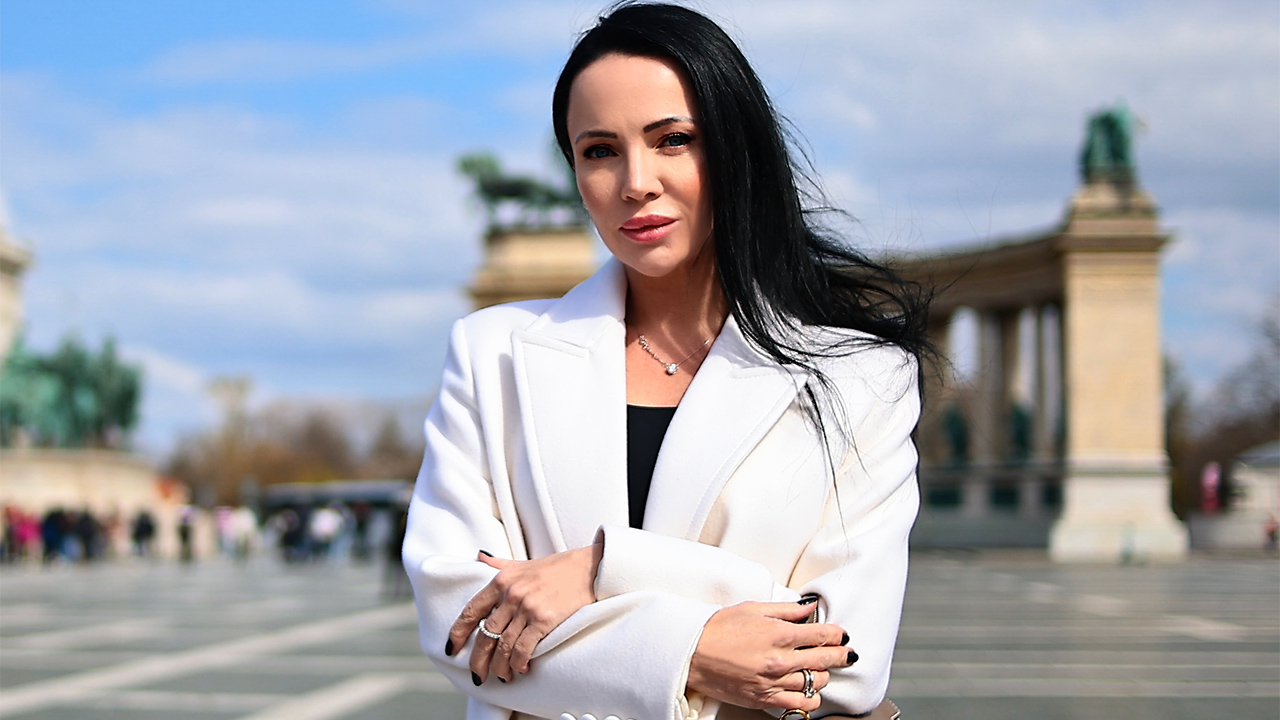
Alona Lebedieva
The proposal by German Chancellor Friedrich Merz envisages a new special status for Ukraine – participation in summits, ministerial meetings and certain institutional formats of the EU, but without voting rights. Public discussion also includes the possibility of Ukraine being represented without voting rights in the European Commission and the European Parliament, as well as the creation of a separate working group to detail such a format. There is also talk of a possible political framework of security guarantees through a mutual assistance provision. On the one hand, this is an attempt to find a practical solution for a country that is at war and cannot wait for years until all formal procedures are completed. On the other hand, such a model carries the risk of political uncertainty.
Ukraine today is not an ordinary candidate for EU membership. It is already, in practice, part of European security: it is deterring Russia, adapting its legislation, and integrating into the EU’s markets, logistics, energy sector, defence industry and financial mechanisms. Therefore, the question is not only how quickly Ukraine will formally become a member of the Union. The question is whether Europe recognises the reality: Ukraine is already influencing the future of the EU, even though it does not yet have a seat at the decision-making table.
This is why Kyiv’s reaction is understandable. President Volodymyr Zelensky called it unfair for Ukraine to be present in the EU but remain without a voice. For a country that is paying an extremely high price for the protection of European security, symbolic participation cannot be a sufficient response. According to Alona Lebedieva, participation without real influence may look like a political gesture of support, but for Ukraine this is not enough – it needs a format that strengthens its agency rather than fixes it in the role of an observer.
At the same time, rejecting any interim solutions would also be a mistake. If such a format gives Ukraine faster access to European programmes, financing, defence supply chains, energy projects, the market and institutional coordination, it is worth considering. But only on one condition: it must be a bridge to full membership, not a new political category in which Ukraine remains stuck for years. That is why the key issue should not be the wording of the status, but its legal and political logic: whether it brings Ukraine closer to membership or creates a convenient alternative to full accession.
For Ukraine, it is critically important that European integration be not only symbolic, but also economically and security-wise practical. We need participation in EU production chains, defence programmes, infrastructure planning, energy resilience and financial instruments. This is what creates real integration – even before the moment of formal membership. It is also important that Kyiv insists on accelerating the negotiation process and opening all six negotiation clusters as early as June 2026. This means that Ukraine is not asking for symbolic presence – it is demanding movement under the procedure that Europe itself has defined as the path to membership.
The European Union must also be honest with itself. If Ukraine is part of European security, it cannot remain merely an external partner. If Ukraine is implementing complex reforms under conditions of war, it needs not a “waiting room,” but a clear route. And if the EU wants to be a geopolitical actor, it must learn to make political decisions faster than the old logic of enlargement allows. The discussion about possible restrictions on the veto right for future EU members only confirms this: Europe is looking for a new model of enlargement. But this model must not create the impression of “second-class membership” for countries that have already proven their strategic importance to the continent.
An interim status can be a useful tool. But only when it brings Ukraine closer to full membership rather than postpones it. Ukraine needs not semi-integration, but a real place in Europe’s economic, political and security architecture. As Alona Lebedieva emphasises, Ukraine must not only be present in the European discussion, but also be able to influence the decisions that will determine Europe’s common future.
Alona Lebedieva
Aurum Group
email us here
Legal Disclaimer:
EIN Presswire provides this news content "as is" without warranty of any kind. We do not accept any responsibility or liability for the accuracy, content, images, videos, licenses, completeness, legality, or reliability of the information contained in this article. If you have any complaints or copyright issues related to this article, kindly contact the author above.
