

MWE Outlines Display Checks for Photo Booth Event Installations
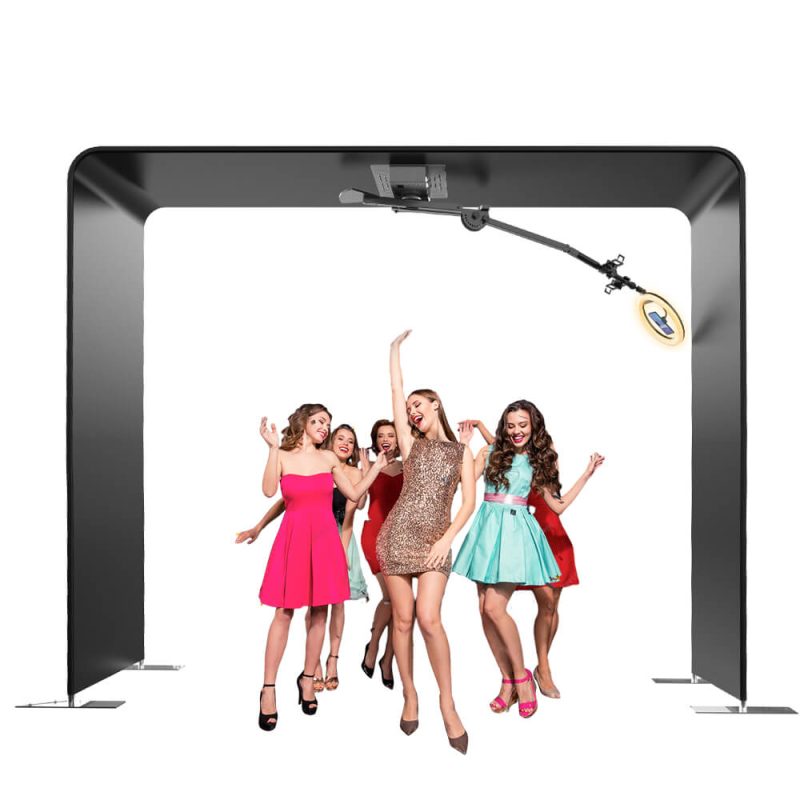
Sky 360 overhead photo booth
MWE's commissioning guidance covers guest prompts, circulation, operator visibility and media handoff for overhead and robotic arm photo booth setups.
SHENZHEN, CHINA, October 7, 2026 /EINPresswire.com/ -- MWE is outlining a display commissioning checklist for event teams planning overhead 360 and robotic arm photo booth installations. The guidance connects the capture equipment with the welcome screens, participant prompts and result-collection points that shape a visitor's experience at an activation.The checklist focuses on a practical acceptance question: whether a first-time participant can follow the intended sequence from arrival to media handoff in the actual venue layout. It is designed for event producers, rental operators, system integrators and experience-design teams coordinating equipment and digital signage.
MWE's hardware portfolio includes commercial displays, photo booth hardware and robotic arm imaging systems. Its Sky overhead 360 photo booth and MWE Glambot illustrate two capture configurations in which the equipment plan and the surrounding information plan need to be considered together. The guidance does not announce a new product model or a change to either product's specifications.
Five checks form the commissioning approach:
1. Define the audience for each screen. An approaching visitor needs an explanation of the experience and where to join. A participant needs a prompt appropriate to the configured capture sequence. A departing guest needs a clear route to the selected review, collection or sharing step.
2. Review circulation with the screens in place. The welcome display, waiting line, spectator viewing area and collection point should appear on the same layout as the capture hardware. A display can create a stopping point even when its physical footprint is small. Event teams should review entrances, exits and operator access under the venue's requirements and the equipment's approved operating configuration.
3. Check that public messages agree with the operator's sequence. Example footage can explain an activation without representing the live state of the equipment. If a display is intended to show a countdown, preparation prompt or completion message, the team should verify how that message changes and who controls it. Static promotional content should be clearly distinguishable from an operating instruction.
4. Separate private media collection from public playback. The event plan should identify what may be shown on a spectator display, which permissions apply, and how a participant receives their own result. Contact details should not appear in public playback. The collection point should be positioned so a departing guest can complete the handoff without obstructing the next capture.
5. Rehearse one complete guest journey. The acceptance test should use the intended equipment, content and event configuration. Staff should observe where the participant hesitates, confirm the selected collection route from a guest device, and document a response for an unsuccessful handoff. Tests should reflect the network and physical conditions that can be checked at the venue.
The approach distinguishes the equipment footprint from the space required to run an event. Installation dimensions alone do not define a waiting area, spectator position or suitable clearance for moving equipment. Those decisions remain specific to the hardware instructions, the approved setup and the responsible venue and operating teams.
Informational displays also have a defined role. They can clarify the visitor's next action, but they do not replace equipment safeguards, operating instructions or trained supervision. Model-specific requirements should be confirmed for the selected installation rather than inferred from an example screen layout.
For project discussions, the guidance recommends bringing the floor plan, intended guest sequence, display-content responsibilities and collection route into the same review. This gives the equipment supplier, content team and operator a common basis for commissioning the activation before visitors arrive.
MWE Sky overhead 360 photo booth information and MWE Glambot product information are available through the official MWE photo booth website. Product configurations and operating requirements should be checked against the current documentation for the selected equipment.
About MWE
MWE is a Marvel Tech Group hardware brand. Its product categories include commercial-display hardware, photo booth hardware, 3D scanning systems and robotic arm imaging systems. This guidance concerns the planning and commissioning of the guest information environment around event imaging installations.
Celia Liang
Marvel Tech Group Co., Ltd.
+86 15679783403
Legal Disclaimer:
EIN Presswire provides this news content "as is" without warranty of any kind. We do not accept any responsibility or liability for the accuracy, content, images, videos, licenses, completeness, legality, or reliability of the information contained in this article. If you have any complaints or copyright issues related to this article, kindly contact the author above.
