

ABIS Highlights Automotive Injection Molding from EV Ports to Cabin Trim
News originally published by
EIN Presswire
APEC CHINA 2026
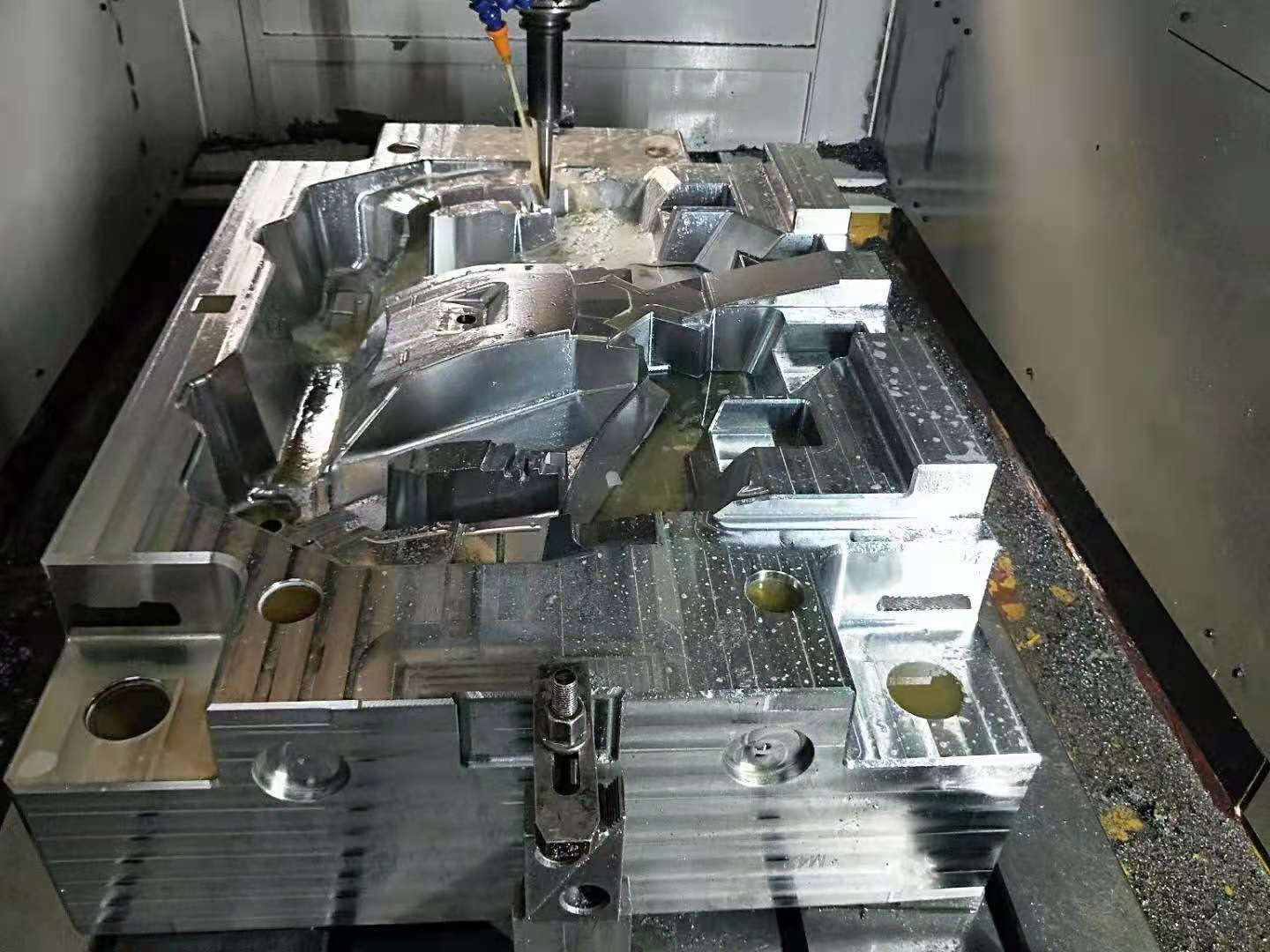
Automotive injection molds
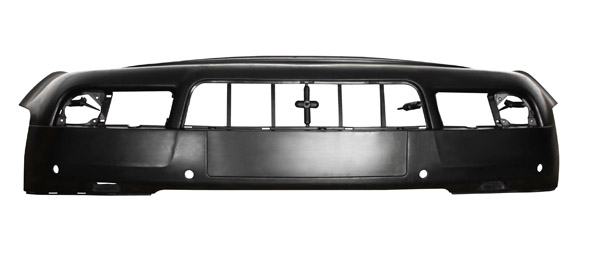
Automotive injection molds.

Mexico Mold Exhibition11

Mexico Mold Exhibition5
ABIS explores automotive injection molding for EV charging parts, exterior housings and cabin trim, with practical guidance for OEM sourcing.
SHENZHEN, GUANG-DONG, CHINA, November 17, 2026 /EINPresswire.com/ -- ABIS Mold’s automotive tooling resource brings electric vehicle components, exterior housings and automotive interior trim plastic parts into a single discussion about how plastic parts move from design to production. The Shenzhen manufacturer presents custom tooling and molded-part supply options for teams developing components with different functional, visual and assembly requirements.The subject has practical relevance across a vehicle. A charging interface needs to connect correctly, a door handle needs to work with its surrounding mechanism, and a console surround needs to sit comfortably beside neighboring surfaces. Each interaction gives engineers a different set of questions to resolve before a mold is approved.
Automotive injection molding connects those questions with a manufacturing process capable of reproducing an agreed design. Its value to a vehicle program depends on how well the project translates intended use into tooling decisions, material specifications and measurable acceptance criteria.
ABIS’s application portfolio provides a starting point for that conversation. For manufacturers planning a new component, the opportunity is to involve tooling specialists while the product team can still evaluate practical alternatives.
A Vehicle Is Experienced Through Its Components
A vehicle’s everyday experience includes many small interactions: opening a door, operating a switch, attaching a charging connector or removing a protective cover. Product development teams can use those interactions to organize a component review.
Consider a charging cover that looks correct in a design rendering. An engineering discussion might follow the full sequence of use, from opening and positioning to closing and securing it. That sequence helps the team identify the questions that an isolated image cannot answer.
A similar review can follow the assembly operator’s sequence. Small automotive plastic parts deserve attention here: a clip or latch may be inspected at rest but must also engage during installation. An agreed assembly check can examine that behavior alongside the dimensional report.
For automotive injection molding projects, this creates a useful connection between design intent and manufacturing responsibility. The drawing remains central, while the review explains which features deserve particular attention and how the finished component will be assessed.
EV Charging Components Bring Interfaces into Focus
An EV charging connector mold project offers a useful example of how a tooling discussion can begin with an assembly. Before selecting a final concept, a development team can identify the components involved and nominate the interfaces that will be reviewed together.
For example, a connector shell could meet its overall length and width requirements while interfering with an adjacent release mechanism. Reviewing the assembled arrangement helps the team identify the relationship that needs to be checked, including the movement required during connection and removal.
The exercise also helps distinguish open design questions from agreed requirements. If the connector arrangement is still changing, the quotation can state which assumptions support the proposed tooling approach and when those assumptions need to be confirmed.
An EV charging port housing mold requires a related conversation at the vehicle interface. The project team can bring the housing, adjacent panel, cover and other relevant components into a coordinated review.
The commercial benefit is greater visibility. Buyers can see which elements are included in the proposed mold project and which decisions depend on another supplier or the vehicle design owner. That clarity supports a more useful comparison between competing proposals.
Battery Plastic Components Need a Defined Place in the Assembly
EV battery pack plastic parts can be discussed in terms of the specific job assigned to each component. A project brief may concern a protective cover, locating feature or another molded element within a larger assembly.
When evaluating a new energy vehicle plastic parts manufacturer, a useful starting point is a functional description that engineering and procurement can both understand. The description can identify what the component supports, what it contacts and what evidence the team expects before approval.
Material documentation belongs within that discussion. UL Solutions explains that plastic flammability classifications are based on controlled tests, with material thickness relevant to the rating. A purchasing specification should identify the evidence applicable to the proposed material and part design. UL Solutions’ plastics testing guidance.
The team can then allocate responsibility for any additional component or assembly testing. Recording that allocation helps the mold manufacturer understand which features support the customer’s validation plan.
A new energy vehicle parts mold inquiry becomes easier to evaluate when it names the actual component, its development status and the decision required next. This gives prospective suppliers a clearer basis for explaining the engineering work behind their proposals.
Exterior Parts Combine Styling with Everyday Use
Exterior components provide another way to examine the relationship between product design and automotive injection molding. The commercial brief often includes an appearance objective, while the engineering team also needs to understand how the part will be assembled and used.
For a car door handle mold, a project review might separate the decisions that belong to styling from those that belong to the operating assembly. The team can then establish who approves each aspect and how the final combination will be reviewed.
A decorative cover, for example, could satisfy its own drawing while sitting unevenly on the receiving handle. An assembly review can make that discrepancy visible and help the team determine whether the cause belongs to the cover, the receiving component or their combined tolerances.
A car mirror housing mold presents another opportunity to review the assembled appearance. A trial can examine the joint between the shell and its neighboring components, helping engineers relate individual measurements to the gap or alignment seen on the finished unit.
These discussions give a plastic injection molding service a defined role within the product program. They connect the work of the toolmaker with the decisions of designers, assembly engineers and quality staff, helping each group understand what the next approval actually covers.
Cabin Trim Makes Material and Appearance Decisions Visible
Inside a vehicle, neighboring surfaces create a natural point of comparison. A console bezel, switch surround and decorative cover may be reviewed individually during development, then experienced together by the customer.
Covestro’s automotive interior guidance identifies surface quality and dimensional stability among the important considerations for interior materials. Its discussion of polycarbonates and blends also illustrates the relationship between material selection, appearance and component function.
For automotive interior trim plastic parts, a buyer can organize approval around an agreed set of physical references. The team might review the component in its intended arrangement, identify the applicable reference samples and record the conditions used for the comparison.
This provides context for a car interior plastic parts mold project. The mold quotation can identify which appearance decisions are settled, which remain under review and what samples will be needed to reach approval.
A coordinated review also helps manage communication between purchasing and design teams. A request for a different appearance can be evaluated against the approved baseline, giving the supplier a clear instruction and the project manager a visible record of the decision.
Small Parts Deserve a Place in the Engineering Review
Small automotive plastic parts can be easy to overlook in a project discussion dominated by larger housings and visible surfaces. A useful review gives each component a defined place in the assembly and a clear owner for approval.
Consider a small clip used at several locations. The development team can identify the installation sequence, the intended mating components and the checks needed to approve the arrangement. This creates a focused brief that the supplier can use when explaining its proposal.
The same approach can support discussions about several related parts. Procurement can ask the supplier to describe how it would organize sampling and identify the parts that need coordinated approval.
For a new energy vehicle plastic parts manufacturer under consideration, the response becomes useful evidence of project understanding. Buyers can assess whether the supplier has recognized the relevant interfaces and explained the assumptions behind its quotation.
The objective is a proportionate review: enough information to support a sound decision, with attention directed toward the features that matter to the component’s intended role.
Material Selection Continues into Inspection
A material decision affects more than the name written on a quotation. The project record should identify the approved grade and the conditions under which samples will be compared.
BASF’s Ultramid technical literature provides a relevant example for polyamide components. It describes how moisture absorption can affect dimensions and mechanical properties. This makes sample condition important when engineering teams interpret inspection and performance results.
For automotive injection molding, the practical response is to connect material approval with the inspection plan. The buyer and supplier can agree how samples will be identified, when measurements will be taken and what information will accompany the results.
That agreement also creates a reference for later discussions about material alternatives. A proposed change can be assessed against the approved requirement, with the responsible engineers deciding which comparisons or additional checks are needed.
A plastic injection molding service can contribute by making the proposed material and inspection assumptions visible early. This gives the customer an opportunity to resolve questions before those assumptions become part of a production commitment.
Tooling Analysis Should Lead to Engineering Decisions
Mold development benefits from analysis that answers a defined question. Autodesk’s injection molding documentation describes results for filling, air traps, weld lines, cooling and warpage, giving engineers several ways to investigate how a proposed part may behave during molding.
A development team can use those tools to compare options and identify the consequences of a proposed change. The useful output is an explanation of what was investigated, what assumptions were used and what action is recommended.
For example, a review may examine whether a proposed tooling arrangement creates a concern near a feature that the customer has identified as important. Engineering can then assess the available responses and decide whether another part of the product program needs to be involved.
The project record should carry that decision into sampling. The team can identify which observations from the physical trial relate to the earlier analysis and whether further work is necessary.
This gives automotive injection molding development a coherent technical history. Each stage contributes evidence to the next, allowing the customer to follow the reasoning behind the final proposal.
Production Approval Depends on Shared Evidence
The arrival of trial parts creates an opportunity for a structured review. The receiving team needs to understand which drawing revision applies, what the supplier has inspected and which decisions remain open.
AIAG describes the Production Part Approval Process, or PPAP, as an industry framework for demonstrating that engineering requirements can be consistently met during actual production. Where a customer requires it, the project should define the expected submission and the responsibilities of the participating organizations.
Other projects may use a different approval arrangement. In each case, the team can establish a common evidence package that supports its release decision.
A useful review brings together the samples, the relevant inspection records and the current action list. It also records who can approve the next stage and what happens if a requirement needs further investigation.
For buyers comparing an automotive plastic injection molding service, this provides a practical subject for supplier discussions. The response can show how the proposed sampling plan relates to the customer’s actual approval process.
A Related Perspective from Custom Drone Parts Molds
ABIS also presents Custom Drone Parts Molds for UAV housings, frame components and other plastic assemblies. Its drone resource describes support from manufacturability review through sampling and repeat production.
The connection with automotive projects lies in organizing the engineering conversation. In both areas, buyers can define the component’s role, identify the relevant interfaces and agree the evidence needed for approval.
A manufacturer evaluating suppliers across several product lines can use a consistent commercial brief while maintaining separate technical requirements for each application. This helps procurement compare communication and project planning without assuming that different components share the same performance criteria.
The broader opportunity is a supplier relationship built around clear engineering inputs and reviewable decisions.
About ABIS Mold
According to its company profile, ABIS Mold was established in Shenzhen, China, in 1996. The company describes integrated capabilities in mold making, injection molding and product assembly, supported by design and engineering services.
Its profile also reports ISO 9001 certification. Customers can request current documentation and review the relevant scope during supplier qualification.
For a specific automotive project, company background can be considered alongside the proposed technical plan, relevant sample work and the evidence required by the customer’s own approval process.
Moving a New Automotive Project Forward
Manufacturers preparing an inquiry can organize their initial brief around five practical questions:
- Which component is being developed, and what decision is needed next?
- Which drawing revision, material designation and assembly references should guide the review?
- What samples and inspection records will support approval?
- Is the requirement for a mold, trial parts, ongoing production or a combination?
- Who will approve engineering changes, timing and the final supply scope?
These questions give ABIS a basis for a project-specific discussion and help the customer compare the resulting proposal with its own manufacturing needs.
About ABIS
Information regarding automotive injection molding can be found at the following URL:https://www.abismould.com/automotive-injection-molding.html
Information regarding custom drone parts molds can be found at the following URL:https://www.abismould.com/drone-injection-molding.html
Information regarding the double shot injection molding can be found at the following URL:https://www.abismould.com/double-shot-injection-molding-2K-injection-molding.html
Information regarding the sleep aid device manufacturer can be found at the following URL:https://www.abislife.com/sleep-aid-device-for-adults/
Media and Project Contacts
Kelly
Email: kelly@abismold.com
Mike
Email: Mike@abismold.com
Telephone / WhatsApp: +86 13751017242
plastic injection molding service: https://www.abismould.com/
Kelly
ABIS Mold Technology Co., Ltd.
+86 13682636597
Visit us on social media:
Facebook
YouTube
ABIS Mold Manufacturing | Precision Tooling, Quality & Global Solutions #B2B #ABIS
Legal Disclaimer:
EIN Presswire provides this news content "as is" without warranty of any kind. We do not accept any responsibility or liability for the accuracy, content, images, videos, licenses, completeness, legality, or reliability of the information contained in this article. If you have any complaints or copyright issues related to this article, kindly contact the author above.
